


Introduction
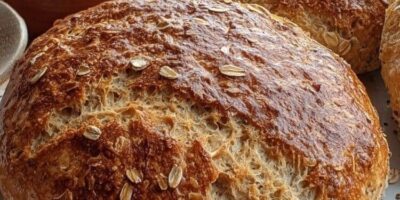
Milk Bread is one of the most beloved recipes in confectionery and home baking. Its soft, airy, and delicately sweet dough makes it ideal for breakfast, afternoon snack, or even as a base for sandwiches. Unlike rustic breads, which can be denser or with a thick crust, Milk Bread stands out for its velvety texture, slightly sweet flavor and golden, thin and soft crust.
Its preparation may seem simple, but achieving the perfect texture requires attention to detail: the temperature of the milk, the quality of the flour, the freshness of the yeast and the correct kneading are fundamental factors. This guide is intended to be a complete manual, so that anyone can prepare perfect Milk Bread at home, even without prior baking experience.
History of Milk Loaf
Milk Loaf has ancient roots dating back to combining European sweetbreads with local ingredients in different countries.
Europe: In countries such as France and Germany, breads enriched with milk, butter and eggs are traditional. Examples are French brioche or German Milchbrötchen.
Latin America: During colonization, these techniques arrived in Latin America and adapted to local ingredients. Milk bread has become a popular bread in Argentina, Mexico, Peru, and other countries, eaten for breakfast and snacks.
Popularization: Its softness and light sweetness made it ideal for children and adults, and it has become a classic bread to accompany chocolate, jams, cream cheese or simply consumed plain.
Ingredients and their importance
Wheat flour
It provides the basic structure of bread. The choice of strength flour or special flour influences the elasticity and texture of the crumb. More refined flours generate a softer and lighter bread.
Yeast
Responsible for the growth of the mass. It can be dry or fresh. Dry yeast requires prior activation with warm milk and sugar, while fresh yeast can be broken down directly into liquids. A fresh, active yeast ensures well-risen bread and an aerated crumb.


Leave a Reply